Gniew Branch


Branch video
Highlights
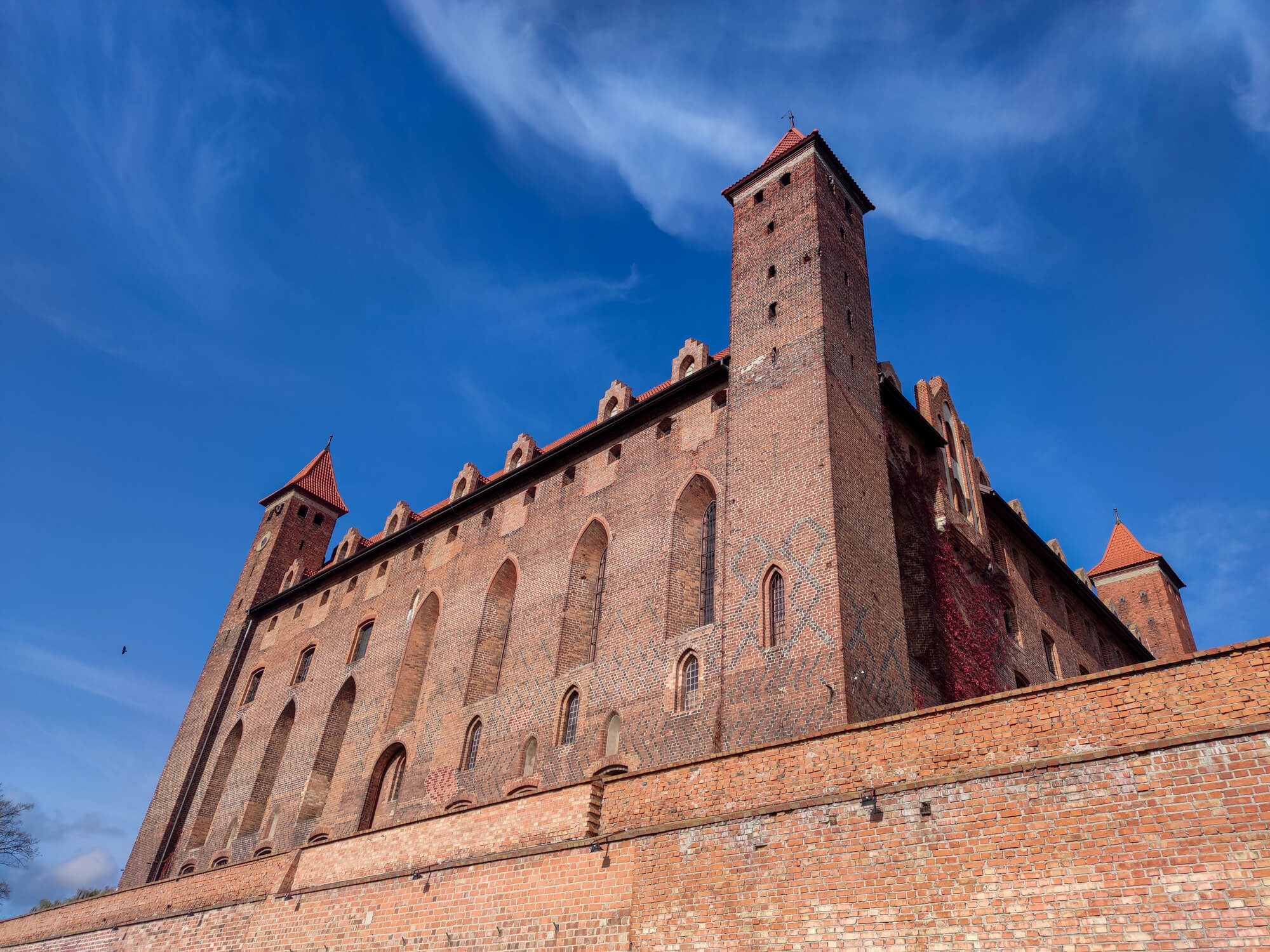
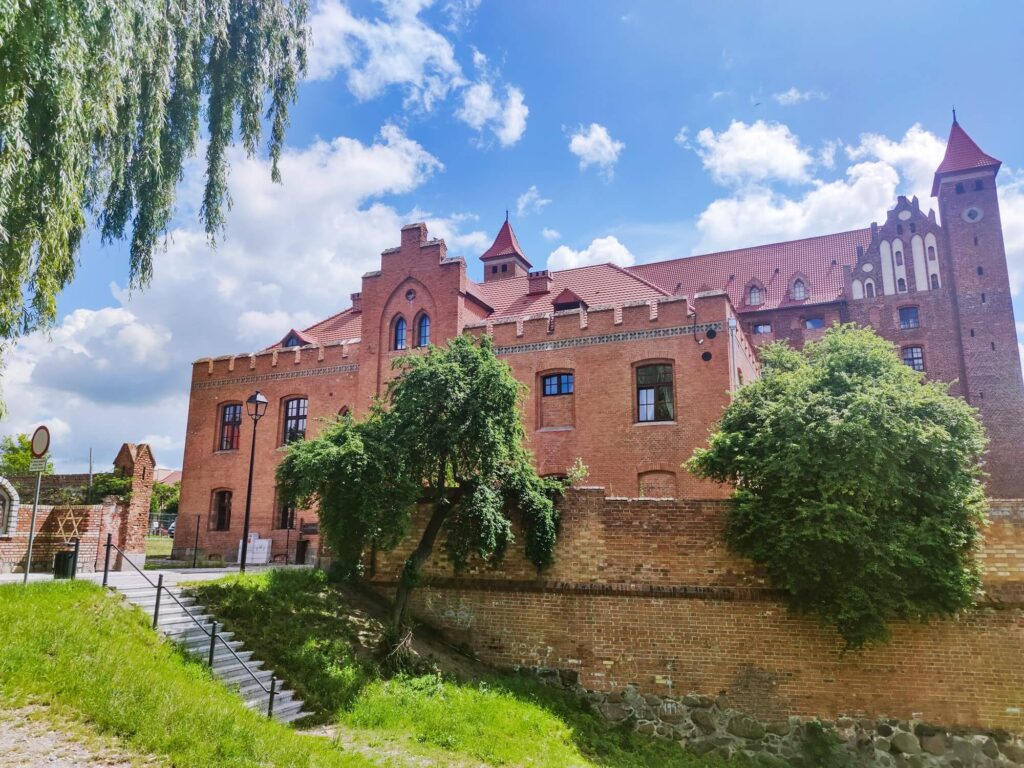
- a Gothic castle, one of the largest in Pomerania,
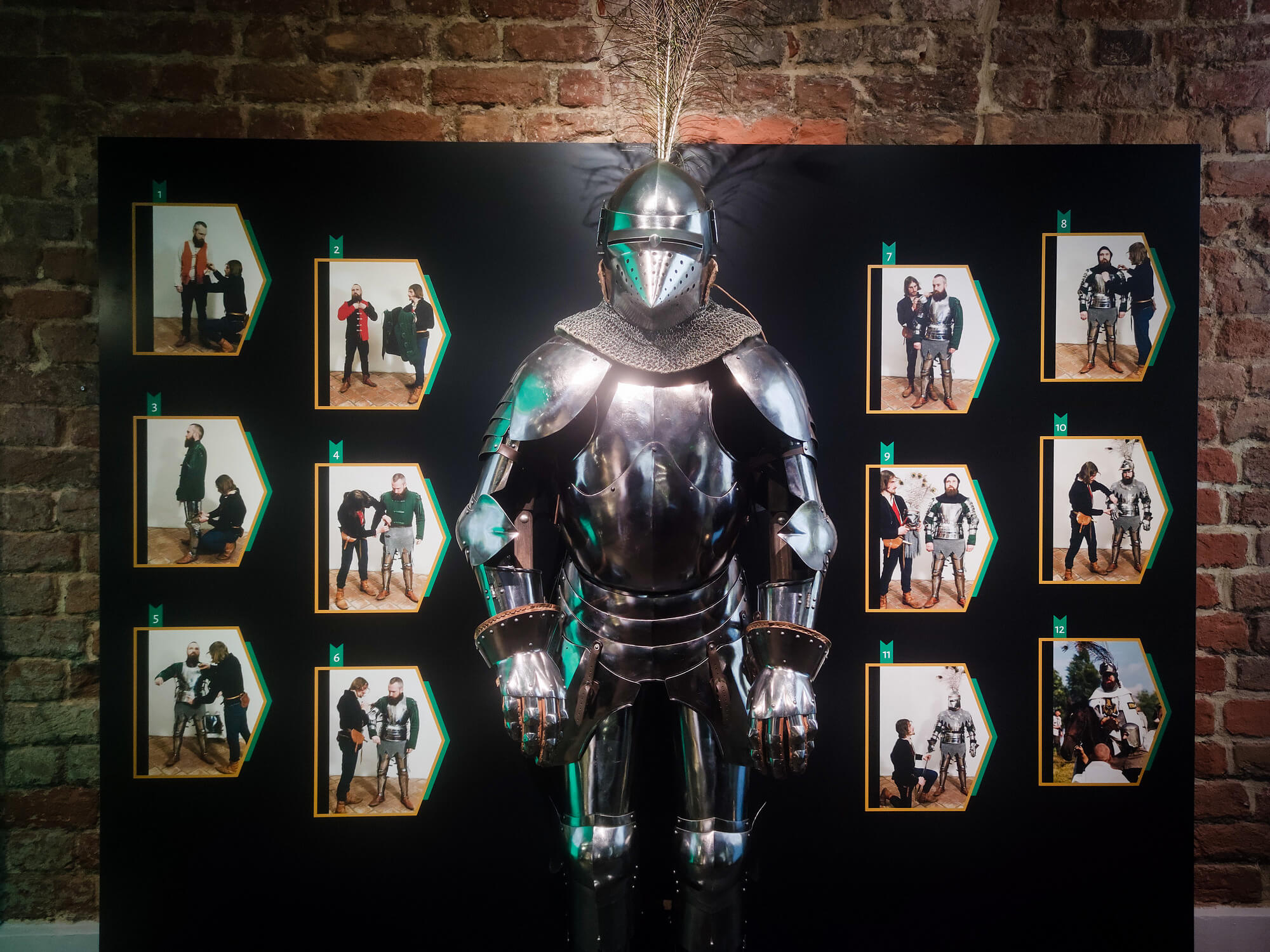
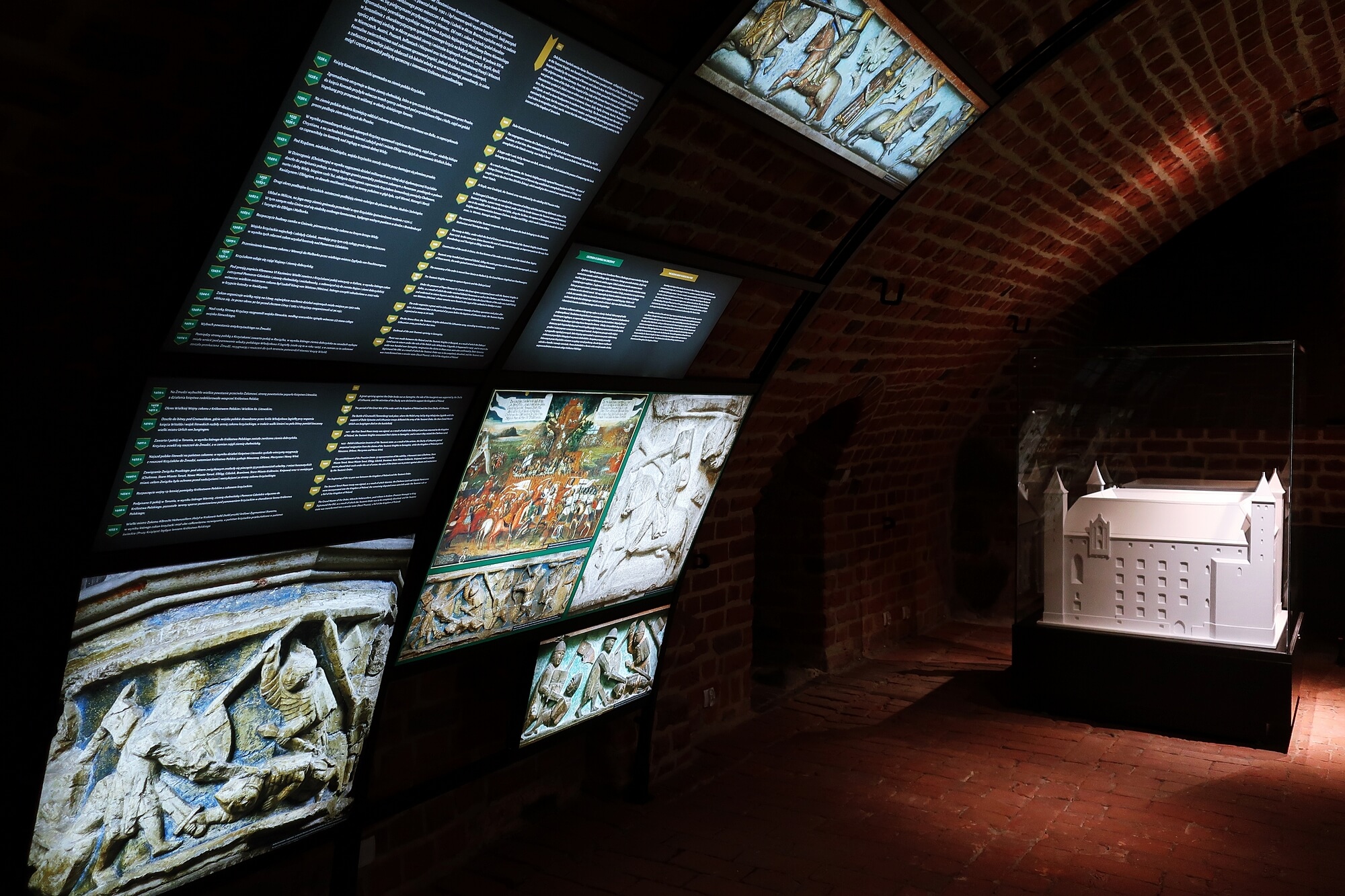
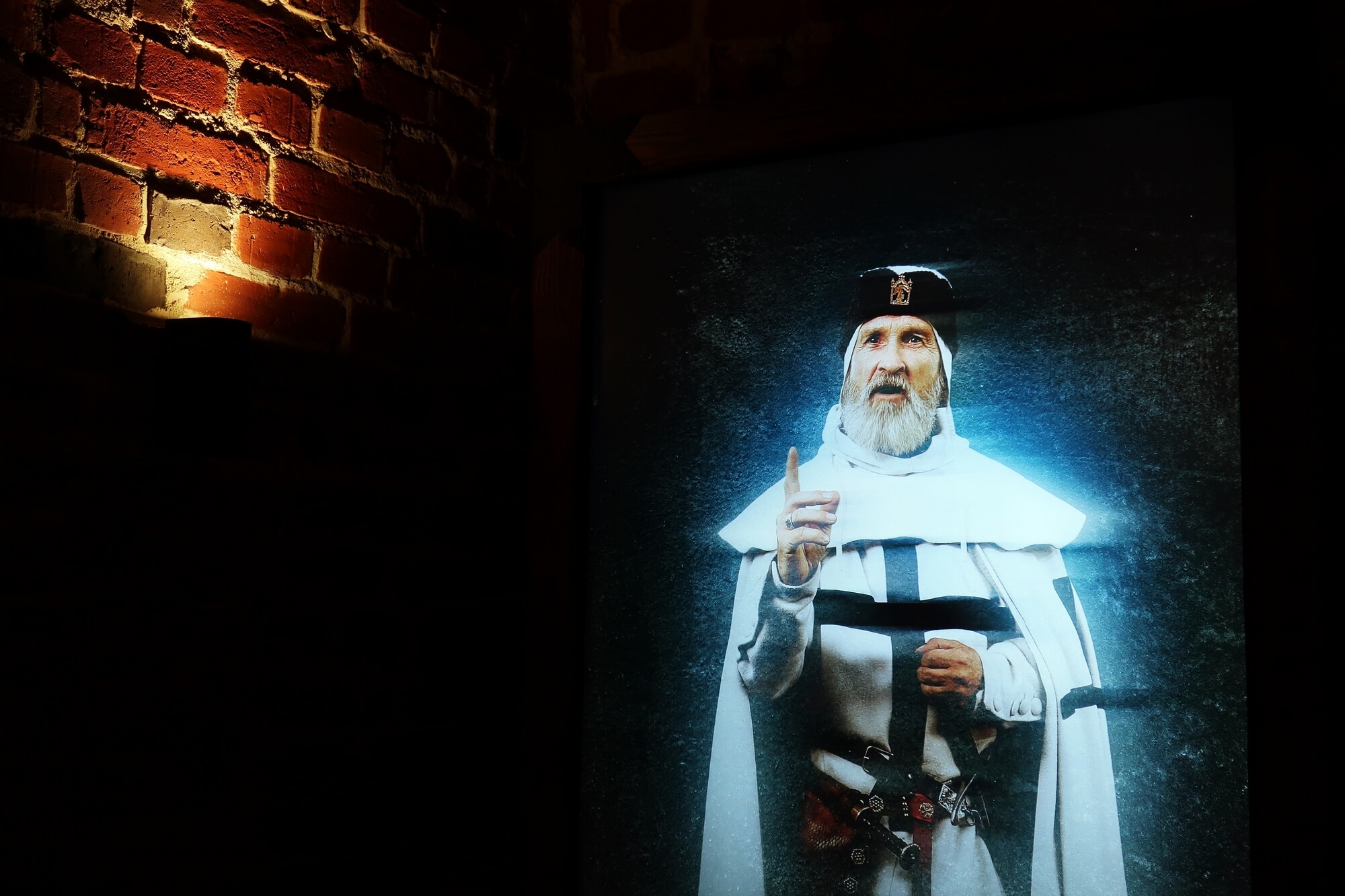
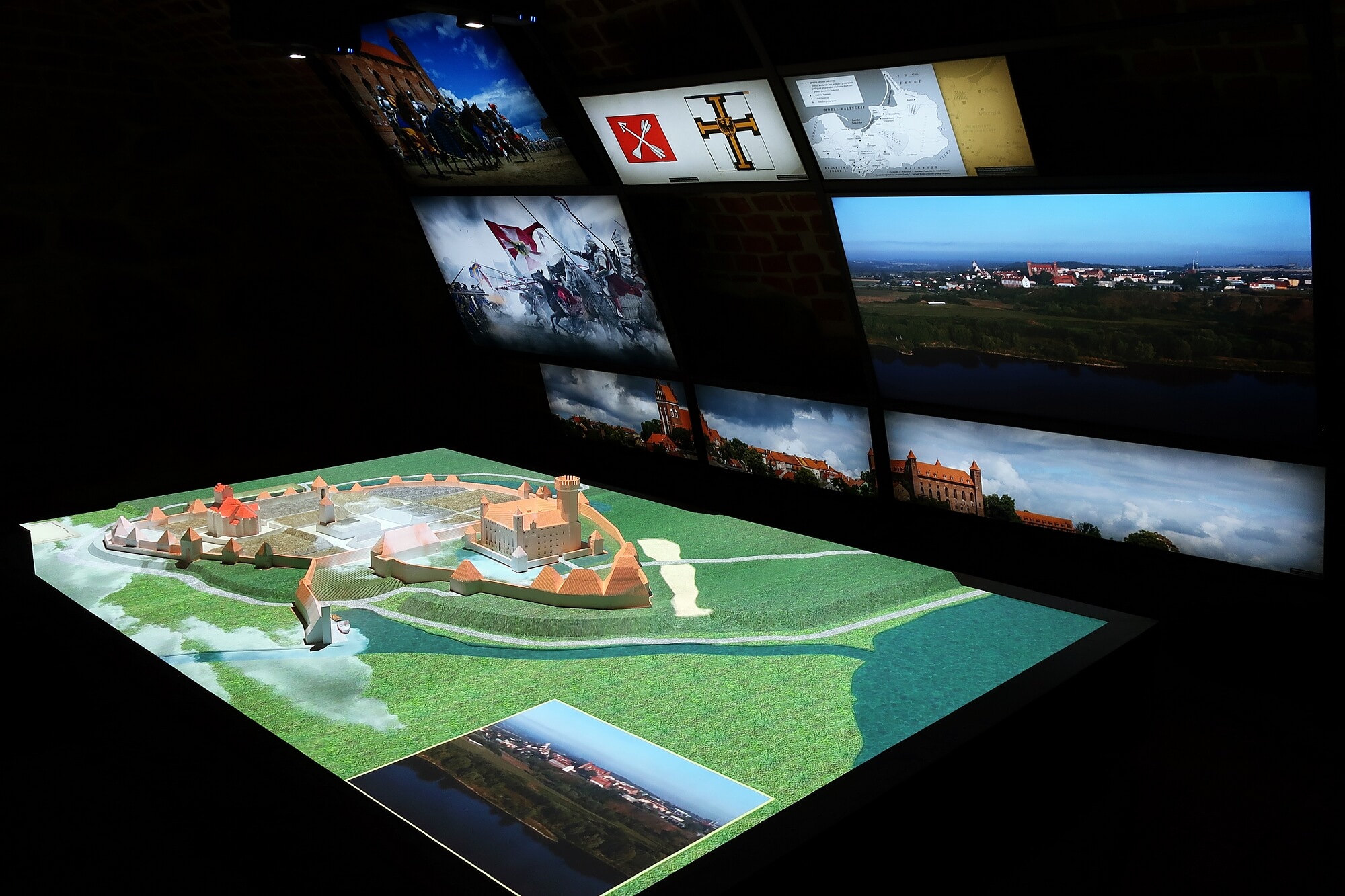
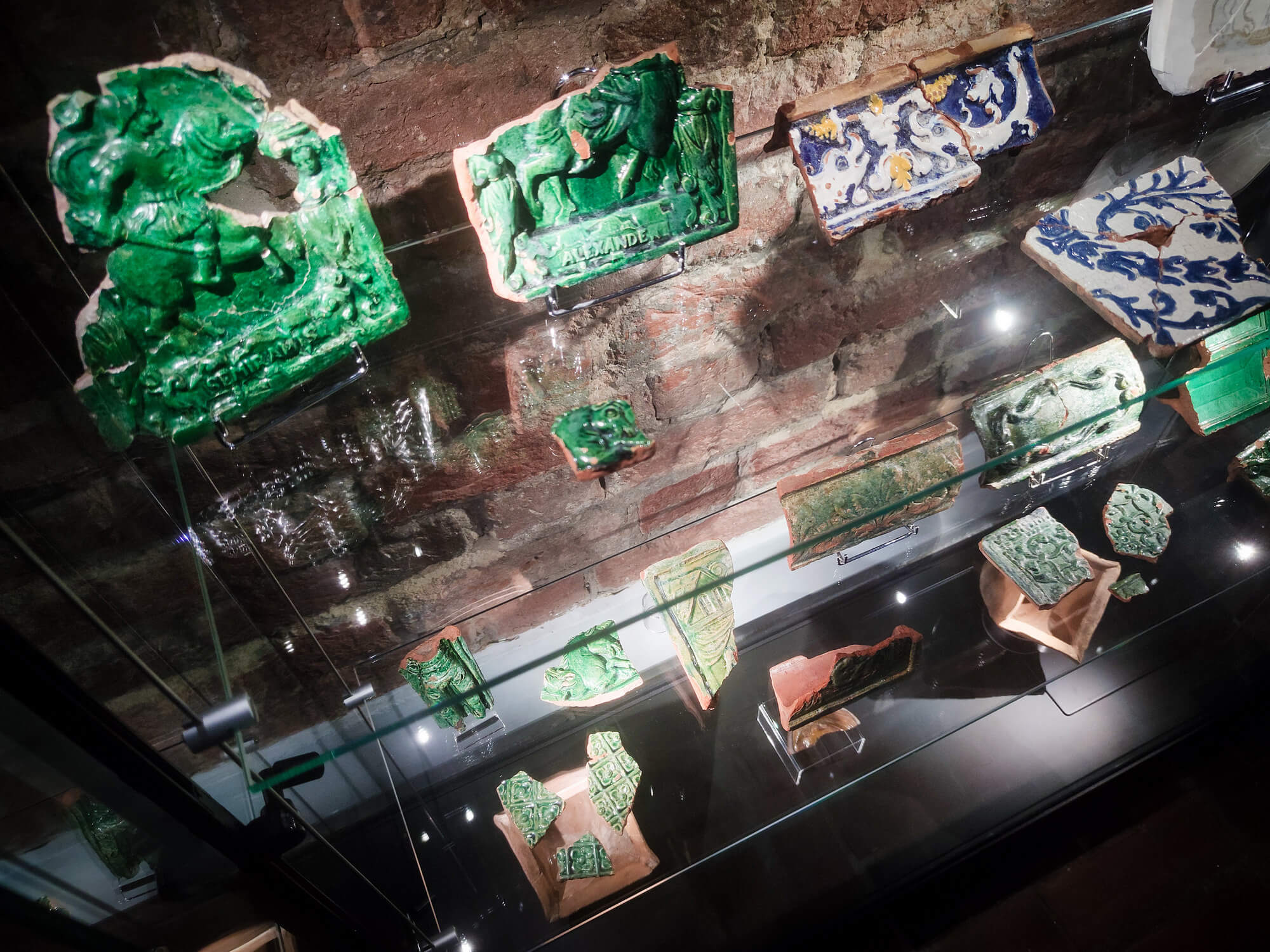
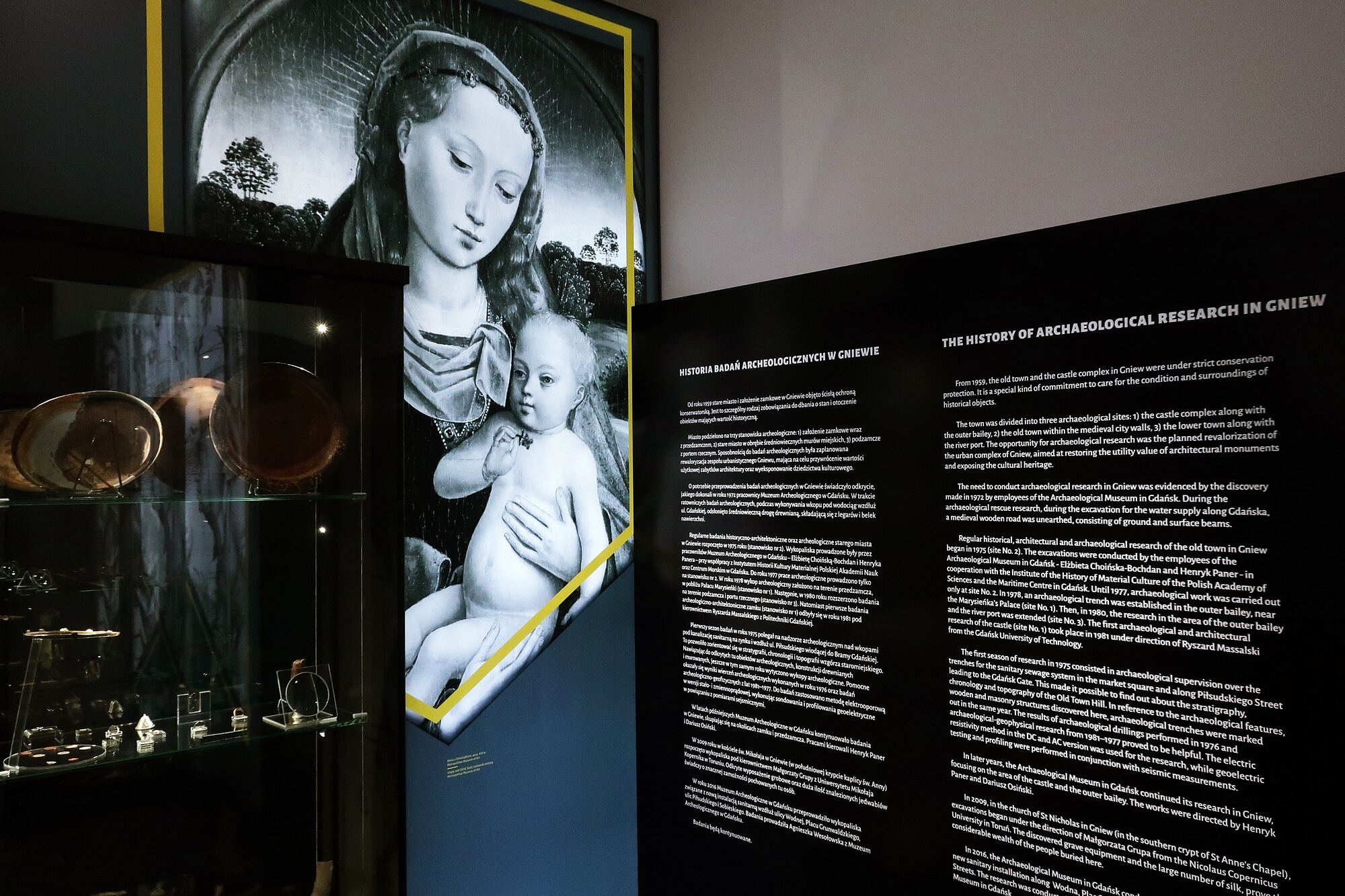
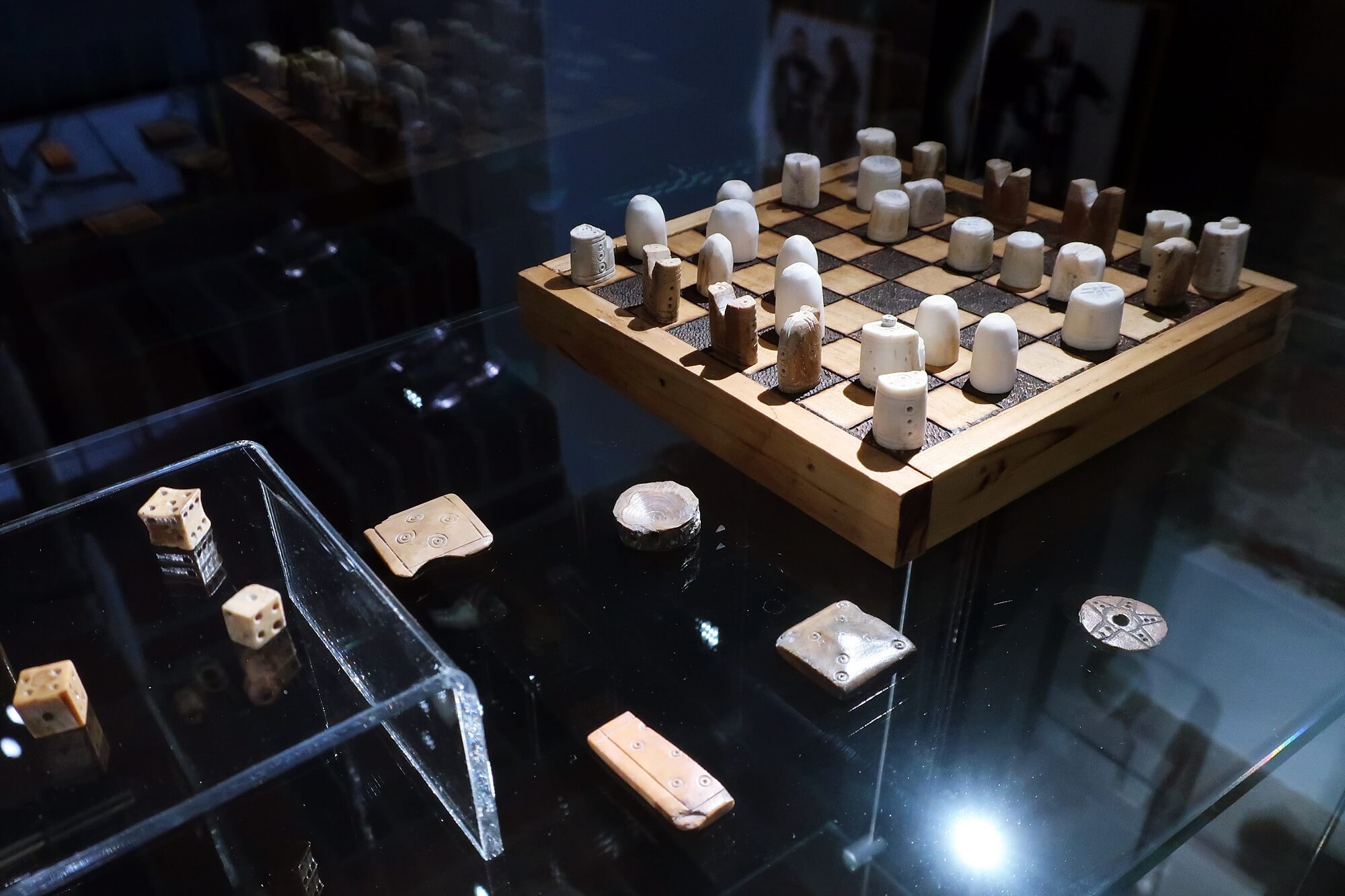
- the multimedia exhibition “Gniew: A Town on the Route of Great History”,
- a picturesque panorama of the Vistula.
Permanent exhibitions
Temporary exhibitions
- “The Battle of Gniew, 1626”
Opening hours
- The Gniew Branch is open Tuesday to Sunday, 10:00–17:00. Closed on Mondays.
Guided castle tours start at the following times during the summer holidays (27.06.2026–31.08.2026)
- Tuesday to Friday – 10:00 | 11:00 | 12:00 | 12:30 | 13:00 | 14:00 | 15:00 | 16:00
- Saturday and Sunday – 10:00 | 11:00 | 11:30 | 12:00 | 12:30 | 13:00 | 13:30 | 14:00 | 14:30 | 15:00 | 15:30 | 16:00
- Guided tours in English require advance telephone booking: (+48) 58-535-35-29.
Opening hours — detailed information
Public holidays in 2026
- 1 January (New Year’s Day, Thursday) – closed
- 6 January (Epiphany, Tuesday) – closed
- 4 April (Holy Saturday) – open from 10:00 to 15:00
- 5 April (Easter Sunday) – closed
- 6 April (Easter Monday) – closed
- 1 May (Labour Day, Friday) – open from 10:00 to 17:00
- 3 May (Constitution Day, Sunday) – open from 10:00 to 17:00
- 24 May (Pentecost, Sunday) – open from 10:00 to 17:00
- 4 June (Corpus Christi, Thursday) – open from 10:00 to 17:00
- 15 August (Polish Armed Forces Day and Assumption Day, Saturday) – open from 10:00 to 17:00
- 1 November (All Saints’ Day, Sunday) – closed
- 11 November (National Independence Day, Wednesday) – open from 10:00 to 17:00
- 24 December (Christmas Eve, Thursday) – closed
- 25 December (Christmas Day, Friday) – closed
- 26 December (Boxing Day, Saturday) – closed
- 31 December (New Year’s Eve, Thursday) – closed
Ticket prices
- standard25 zł
- reduced18 zł
- family, up to 5 people (2 adults and 1–3 children)67 zł
Further information
- Guided tours in English: admission ticket + 100 zł. Advance telephone booking is required: (+48) 58-535-35-29.
- Admission to the exhibitions is free on Tuesdays.
- The EURO26 European Youth Card entitles its holder to reduced admission.
- The museum supports the Dawcom w Darze initiative: an Honorary Blood Donor card entitles its holder to reduced admission.
Ticket prices — detailed information
- Please present the appropriate documents to claim reduced or free admission.
Reduced admission is available to
- primary and secondary school pupils, students at teacher training institutions, social service workers, university students and doctoral students who are citizens of European Union member states,
- people aged over 65, pensioners, disability pension recipients, and people with disabilities together with their carers, who are citizens of European Union member states,
- teachers at primary and secondary schools and universities, and teachers and educators at educational institutions, correctional facilities, juvenile shelters and diagnostic and consultation centres operating in European Union member states,
- war veterans.
Free admission is available to
- children under seven,
- licensed guides, tour leaders and teachers supervising organised groups,
- holders of the Order of the White Eagle, the Order of Merit of the Republic of Poland, the honorary badge “Meritorious for Polish Culture”, or the honorary title “Meritorious for National Culture”,
- staff of museums entered in the State Register of Museums and members of the Polish Museum Association, the International Council of Museums (ICOM) or the International Council on Monuments and Sites (ICOMOS),
- members of the Association of Polish Archaeologists, the Polish Historical Society or the Association of Art Historians,
- archaeologists, historians and art historians employed by state universities or the Polish Academy of Sciences.
School groups
We run activities for preschool and primary school groups throughout the year.
Gniew Castle timeline
1283 – the Teutonic Knights began building the fortress in Gniew.
1466 – under the Peace of Toruń, the castle passed to Poland and became the seat of local governors (starosts).
17th century (second half) – Jan Sobieski was the starost of Gniew. Before becoming king, he built Marysieńka’s Palace outside the castle for his wife, Maria Kazimiera.
1772 – Prussian troops occupied the castle. It first served military purposes and later became a grain store.
1856–1859 – the fortress was converted into a high-security prison, one of the harshest in Prussia.
1921 – a major fire devastated the castle, leaving it in ruins for almost 70 years.
1968 – the first restoration work began at the castle.
1995 – the museum branch was established.
Visitor guidelines
Please read the visitor regulations of the Archaeological Museum in Gdańsk.